
Building an Off-Grid Life: Lessons from Two Years in a multi-pod Tiny House
Full Transparency: I value your time and attention. You won’t find annoying pop-up ads here!
Instead, I use affiliate links. If you buy something, I may earn a small commission at zero extra cost to you.
I only recommend genuine solutions that actually serve our off-grid homestead, business, and homeschool life. Read my full Affiliate Policy for details.
The move was chaotic and challenging, but by early 2015, we were officially chipping away at our off-grid life. We were surviving caravan life and the visiting mother-in-law, and it was time to start building our permanent life. Ten square metres at a time.
We quickly added a second sleeping shed for ourselves and our now two year old toddler. It was another simple structure of ply walls and black painted zincalume – effectively the Bed Shed’s bigger twin!
We got creative with the internal design: we built a mini room within the small cabin that gave our daughter a little ‘hobbit house’ bedroom big enough for her cot and toys.
Ryan and I had the bunk space above her, sleeping on a king-size mattress on what was essentially her roof. Our bedroom storage…large cardboard boxes for drawers on a plywood shelf.
Tiny-home Life
Over the next few months, we completed our four-pod tiny house system:
- Two sleeping sheds: One for guests/storage, one for us.
- A kitchen/living room hut: This finally allowed us to stop cooking in the caravan. We had a 3-way camping fridge (12V, 240V, gas), cast iron benchtop double gas burner and a full size sink…all plumbed with garden hose pipe.
- A bathroom/laundry hut: This included our composting toilet, a homemade shower with a camping gas califont for hot water (a massive upgrade), a vanity made from an old dresser, and our faithful old washing machine which was finally out of the garden shed.
The pods were essentially wired up like ‘plug-n-play’, running off a deep cycle car battery and just two solar panels. Overcast days were not our friend, but we had the trusty little 800W pull start generator to top up the batteries as needed. It was a matter of getting very used to working with the weather and not against it. Like only washing on sunny days.
Once the pods were complete and comfortable, we sold the caravan. This was it. This was our home.
Gumboots and the Necessary Steps
Life was defined by simple luxuries. The two most critical items were a pair of gumboots with no holes and a hot shower. We didn’t have a road down to our huts; access was a 50m bush path from the original caravan site where the car was parked.
We upgraded this pathway with log-retained steps, which we affectionately nicknamed the ‘Necessary Steps’ because they were the only way to get anywhere.
I remember the earlier days, coming home from work, having a shower in the caravan, and then literally walking through the dark, wet bush in just a towel and my gumboots to get to our dry bedroom hut to get dressed.
It sounds crazy, but it was our normal. I guess you learn to get comfortable in the un-comfortable!
Juggling a Job, a House Build and a Newborn Arrival
In the first year, I was working five days a week, plus every second Saturday at the local farming store. It was a lot, but after a year into it, I thankfully managed to drop down to four days a week.
This was huge, as it gave us an extra day with two sets of hands to build decking around our cabins, and generally start upgrading all of our homestead systems.
It was a tough juggle with our two-year-old in tow. Often she was safely belted into a car seat watching us as we framed up the huts to avoid any lemming type behaviour!
By 2016, two years after moving, we decided we were ready for another child. We didn’t have a permanent house yet, but we had a roof, security, and a plan.
“Being ready isn’t a feeling, it’s a decision,” I later heard a wise woman say. Looking back, that has been integral to getting where we are today!
Leading up to the new baby, we focused on our permanent house site. We designed a simple, self-built, three-bedroom off-grid house ourselves, strategically cutting into a solid rock ridge for stability and orienting it to the northeast for sun (being in the southern hemisphere).
We had a massive digger come in to cut the platform; put in our resource consent for wastewater; complete the building permit and got on with the house build.
Our son was due in June 2017. We had a brief debate about whether I should go to the hospital alone while Ryan stayed behind to put the windows in the new house? They were due the same week.
We decided against it, which turned out to be the right call. Baby number two was born with a limb difference (missing two of his fingers and a forearm bone), and I was so grateful to have my rock solid husband beside me.
We brought him home to our 10 square metre bedroom pod, the four of us cozy and secure!
I can vividly remember the drive home…a few kilometres before we arrived I was admiring the lush native landscape and blue sky, thinking to myself “Ah, yes! This is why we moved here! What a life for our kids to grow up in.”
Lessons from the First Two Years
- The Modular Advantage: Modular living (separate pods for kitchen, sleeping, and bathroom) is a smart way to manage moisture and smells in tiny living. It also allows you to build on unlevel land and expand only when you can afford to.
- Vertical Living is Smart in Tiny Spaces: Don’t just use horizontal space. Our vertical bedroom design allowed us to fit a king-size bed and a toddler’s room into one 10sqm pod.
- The Energy-Weather Connection: When you’re off-grid, your chores are dictated by the sky, not your schedule. It teaches a forced mindfulness. You become hyper-aware of the seasons and daily weather patterns in a way city dwellers aren’t.
- DIY Engineering & Maintenance: You become your own utility company. When the hot water fails or the battery dies, there is no one to call. The learning here is Resilience. You gain a deep, intimate knowledge of how your home actually functions, ie. garden hose plumbing and the car battery setup.
- The Safety vs. Progress Juggle: Parenting while homesteading is a tactical challenge. You have to find containment strategies to keep kids safe while you do high-risk work (building, felling trees, etc.)
- Gumboots are Essential Off-Grid Gear: Invest in quality outdoor clothing and footwear first. You’ll spend more time outside and navigating unpaved areas than you might think.
- Design for Your Location’s Landscape: We learned to build on hard ground and orient the house to the sun. Good passive and structural design prevents expensive problems later, especially when off-grid.
- Redefine your Normal: Off-grid living requires a mental shift. You have to be okay with the gap between comfort zones. If you wait for every path to be paved and every room to be connected, you’ll never start. Comfort is a luxury, not a baseline.
- Feeling Ready is a Myth: As the saying goes, ‘confidence is built by doing.’ We decided to have a second child in a temporary, tiny house setup because waiting for the perfect time or feeling ready isn’t realistic in an unconventional life. In homesteading, ‘perfect’ is the enemy of ‘done.’ Whether it’s starting the house build or growing the family, waiting for the perfect infrastructure leads to paralysis.
In my next post, I’ll take you through the actual process of building our permanent off-grid family home from the ground up, all while juggling a toddler and a newborn.
About the author: Drawing from over a decade of off-grid living, I share relatable strategies and practical insights to help you navigate the complexities of homesteading, homeschooling, and business! Find out more about me…
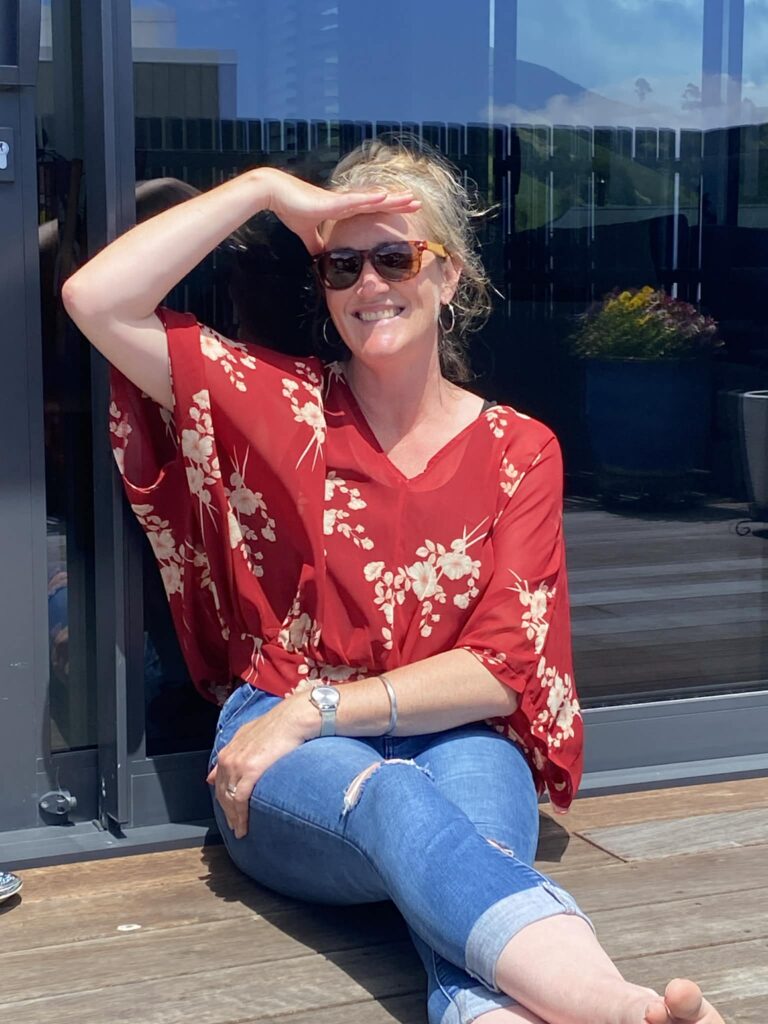
Kirsteen
Author, The Off Grid Canvas
Leave a Reply